Не шаблон, а рішення під
вашу аудиторію та задачу
Ви додали нові функції, а шлях до цінності став довшим. Знаходимо, де людина губиться, і збираємо цей шлях заново.
01 / Перший досвід
Користувач уже всередині, але не розуміє, що робити далі. Тому ми прибираємо зайве на старті й проводимо його до першого корисного результату.
02 / Щоденна робота
Те, що роблять щодня, ховається за зайвими кроками. Тому ми збираємо сценарії заново, щоб часті дії були ближче, а шлях коротшим.
03 / Розвиток продукту
Кожна нова фіча живе окремо від решти продукту. Тому ми зводимо все до однієї логіки, щоб продукт лишався зрозумілим і після росту.
Спробуйте самі
Перемикайте ролі. Демонстрація показує, як інтерфейс повинен змінювати пріоритети, дані й наступну дію залежно від того, хто відкрив продукт і навіщо.

Що отримуєте
Робимо продукт з нуля або перезбираємо слабкі місця наявної системи. На виході є логіка, стани і макети, з яких розробка збирає продукт без здогадок.
01 / Перше знайомство
Реєстрація і онбординг доводять людину до першої корисної дії.
02 / Основа продукту
Ролі, модулі і доступи зібрані під реальні задачі.
03 / щоденний Досвід
Головне видно одразу, деталі відкриваються лише коли вони потрібні.
04 / Масштабування
Компоненти і правила дають змогу рости без хаосу в інтерфейсі.
05 / Усі стани
Є порожні екрани, збої, завантаження і мобільна версія.
06 / Наступний крок
Погоджені сценарії йдуть у розробку вже перевіреними.
Не починаємо з красивого дашборду. Спершу розбираємо продукт, людей і задачі, заради яких вони повертаються.
01 / Дослідження
Вивчаємо цілі, аудиторії, доступні дані, звернення підтримки й обмеження системи.
У результаті маємо пріоритети й точки тертя
02 / Структура
Визначаємо ролі, інформаційну архітектуру й найважливіші шляхи користувача.
У результаті маємо логіку та прототипи
03 / Дизайн
Працюємо над станами та компонентами. Перевіряємо ключові рішення до розробки.
У результаті маємо погоджений UX/UI
04 / Передача
Передаємо готові макети, та підтримуємо команду під час реалізації за домовленістю.
У результаті маємо матеріали для розробки
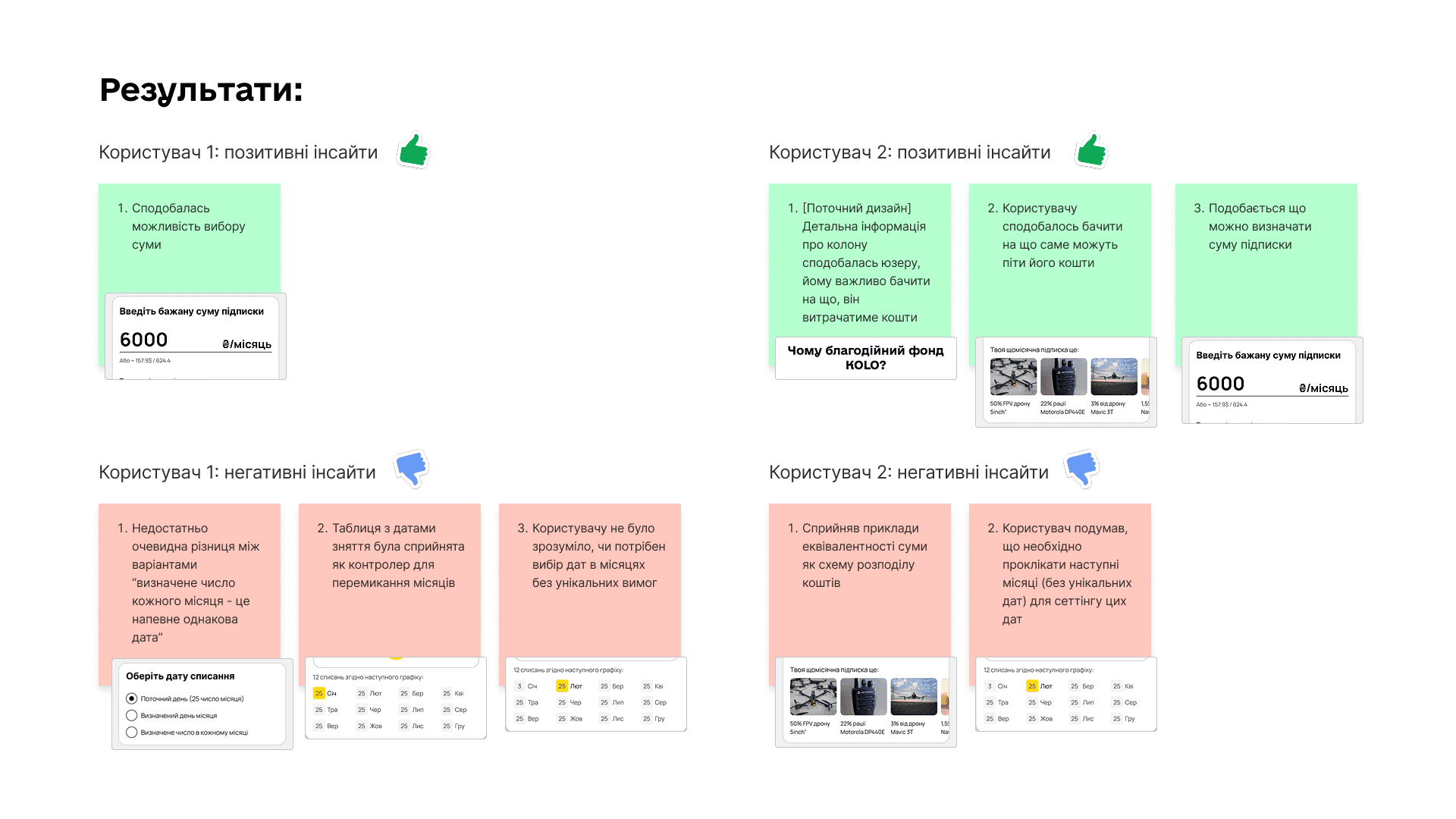
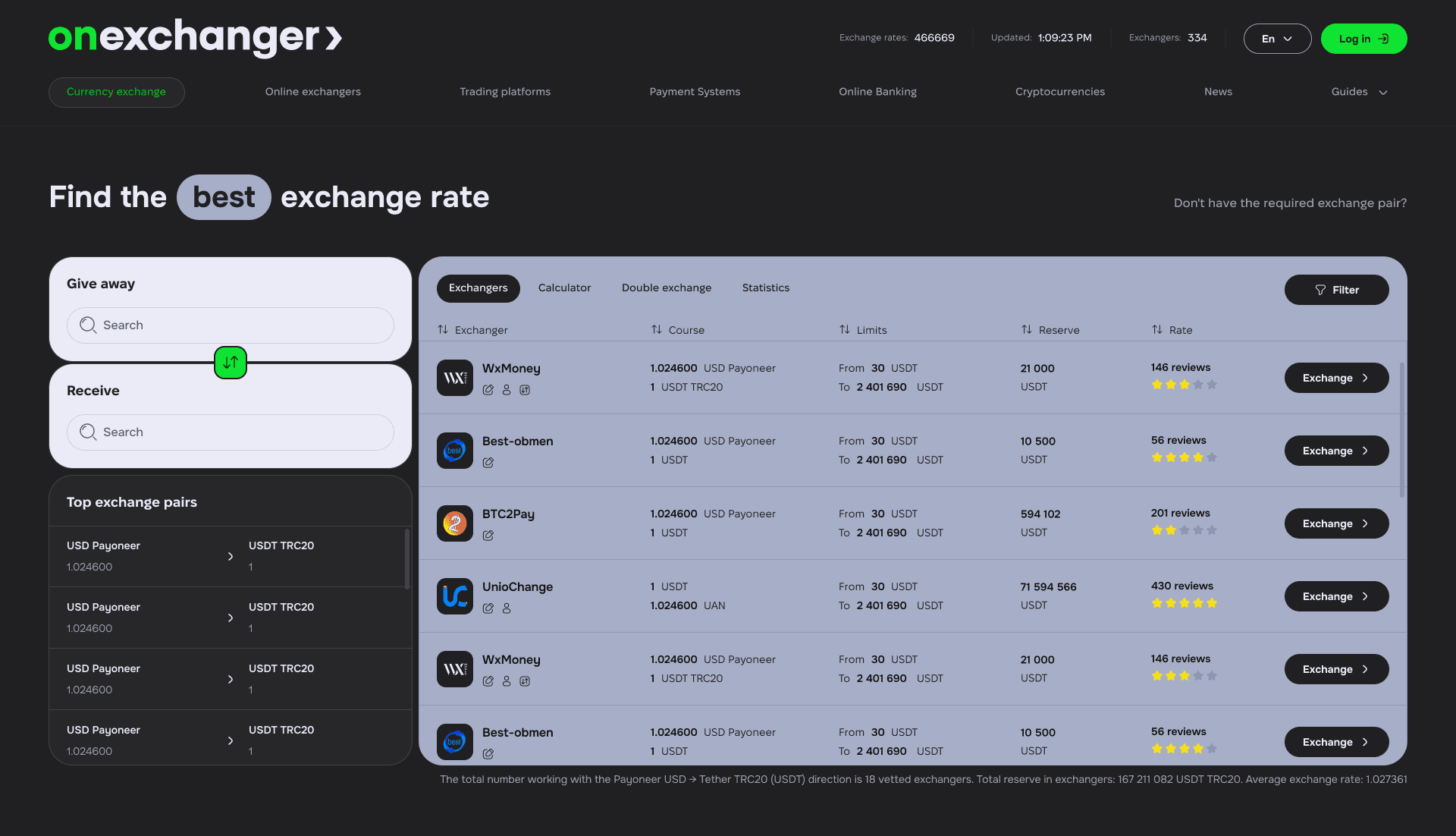
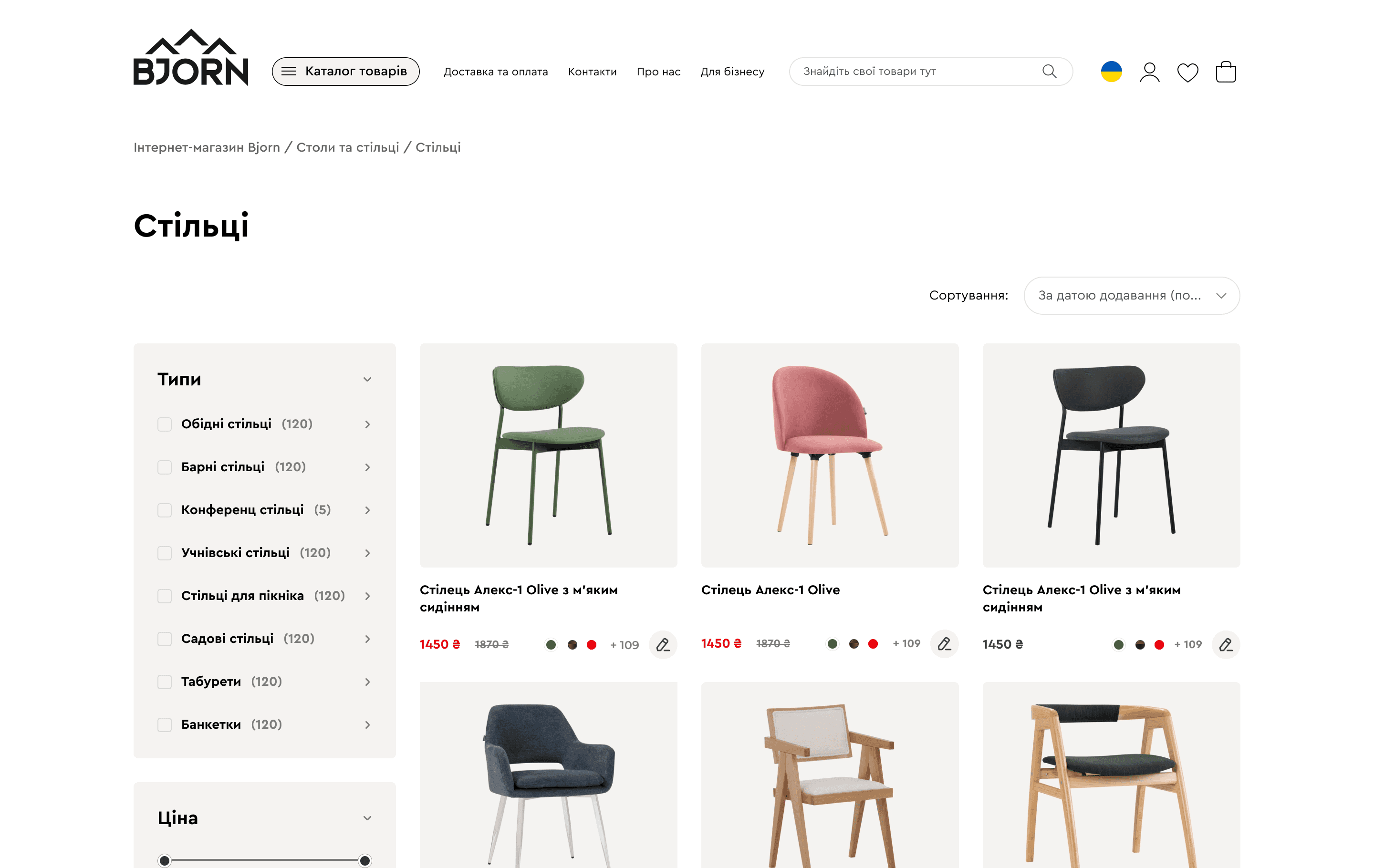
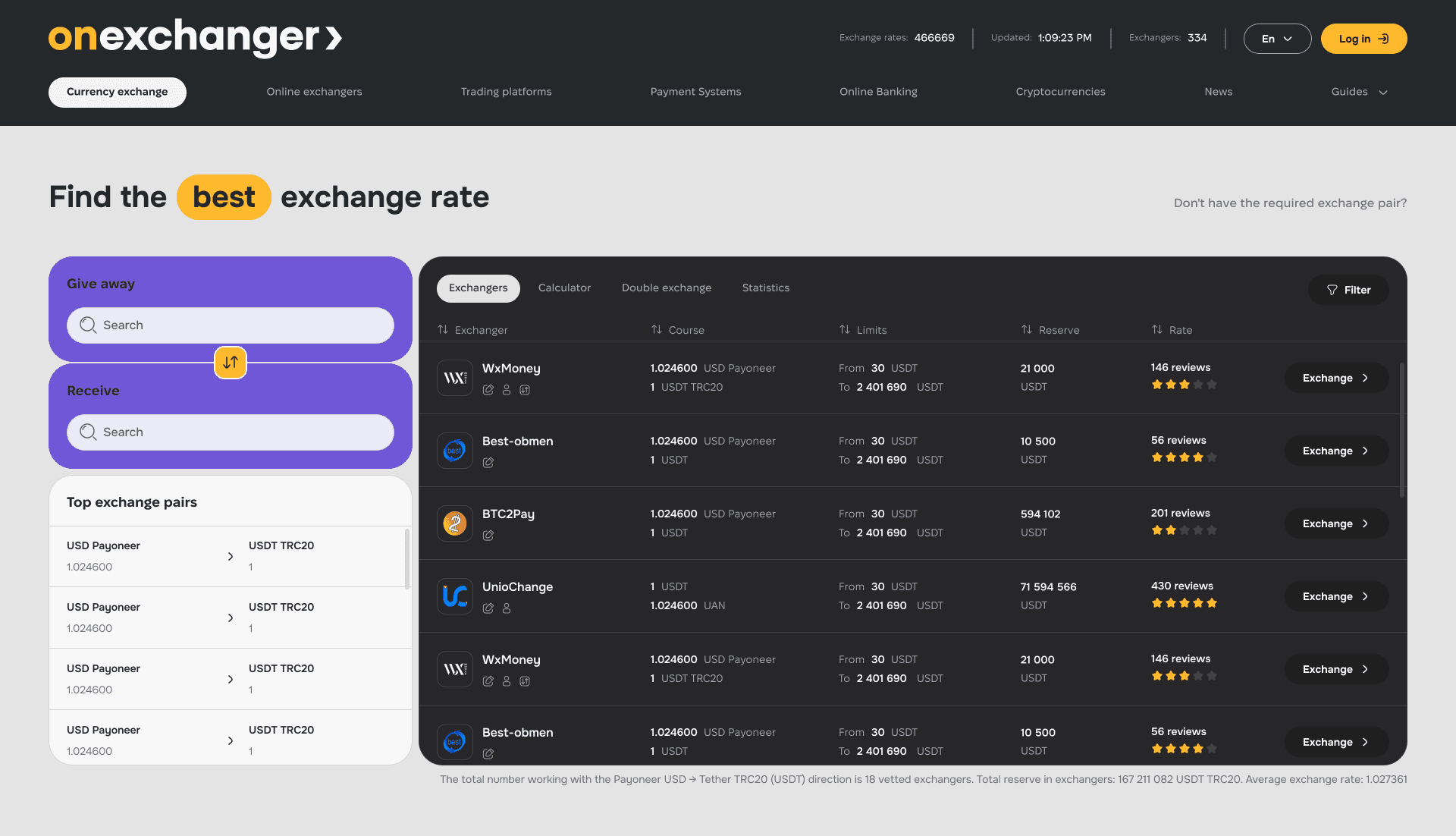
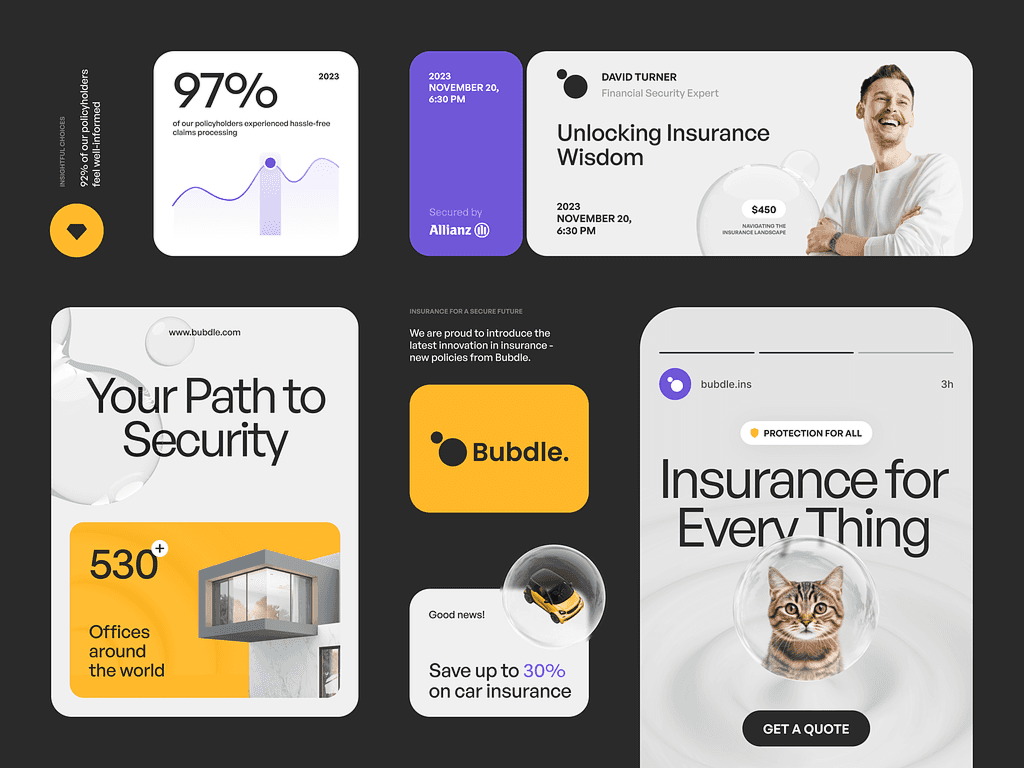
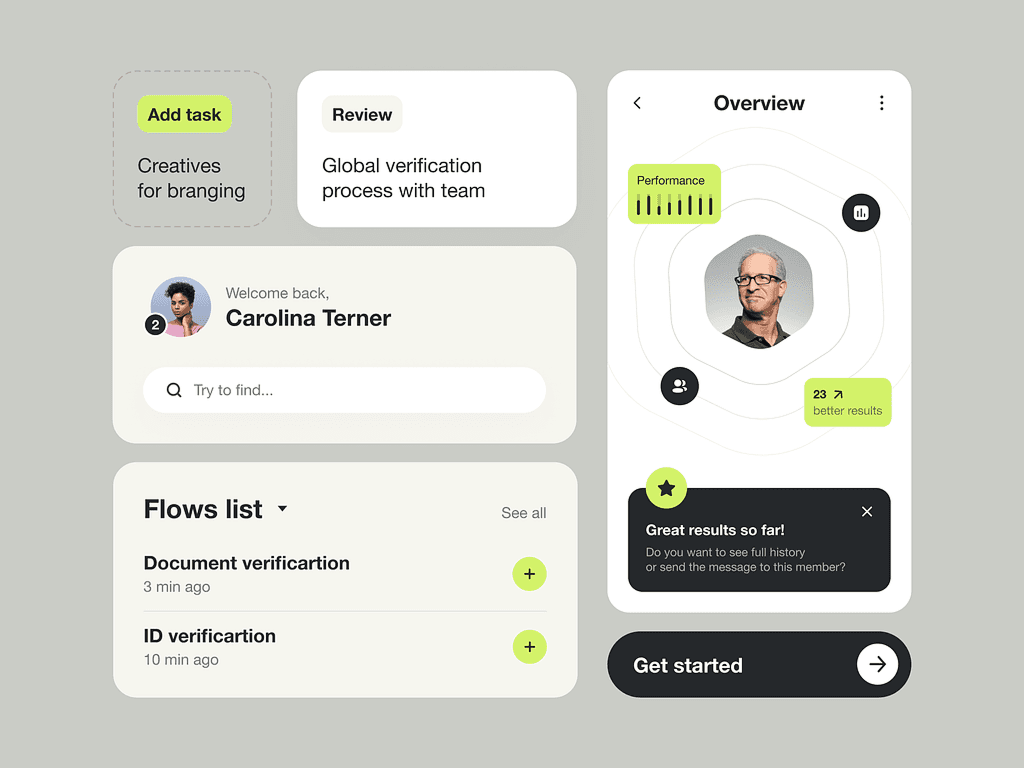
Блог


Наш досвід
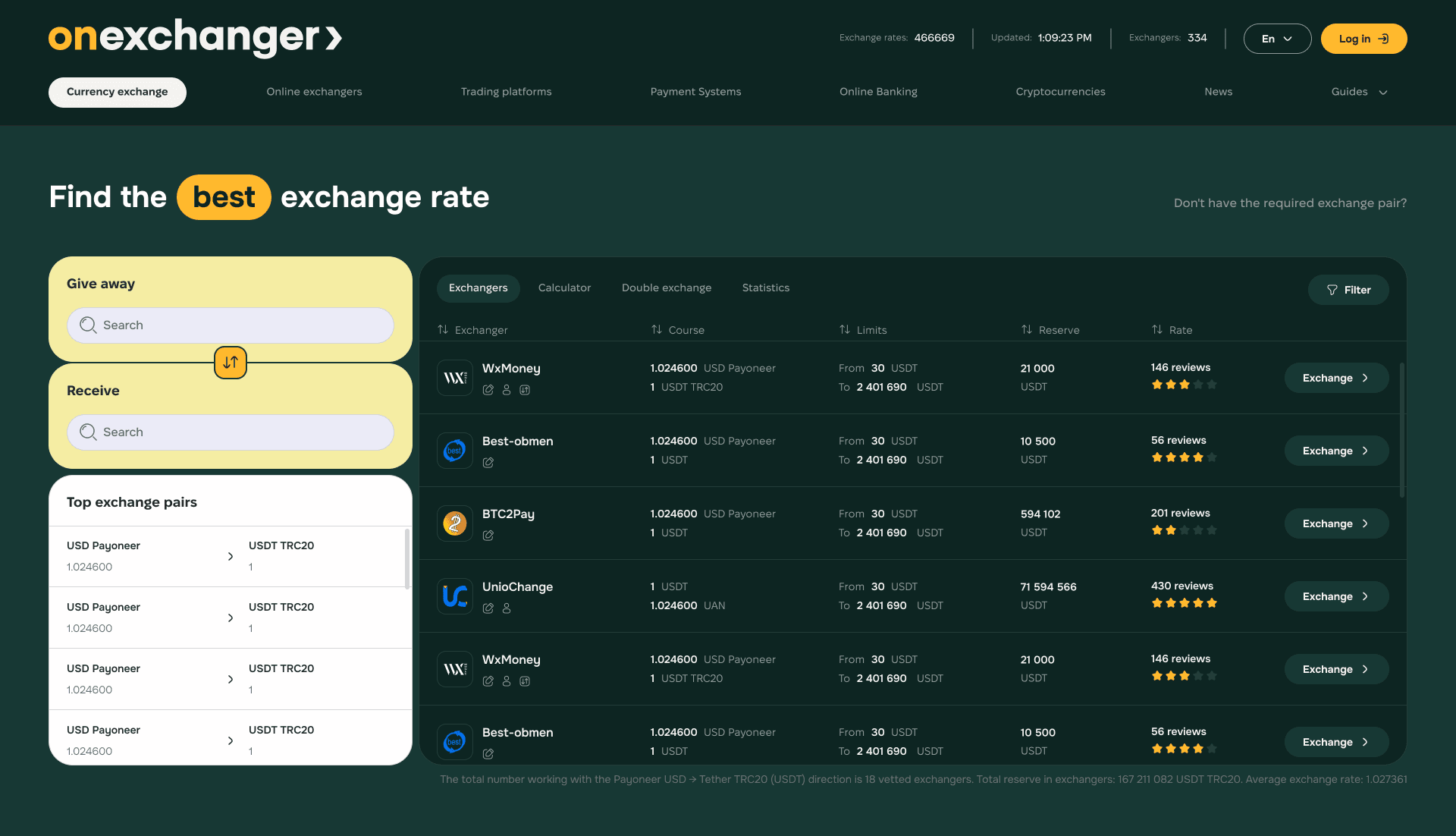
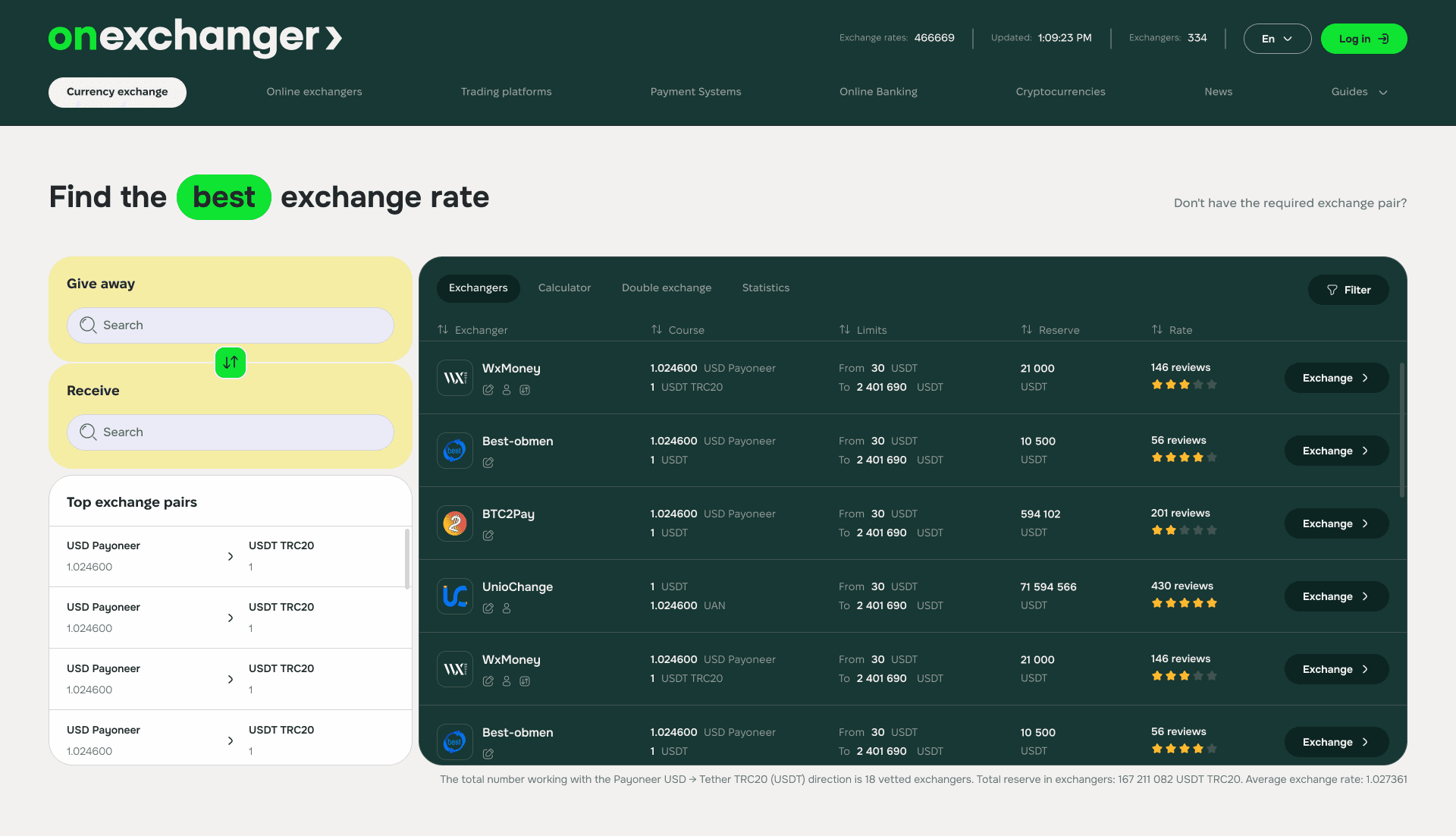
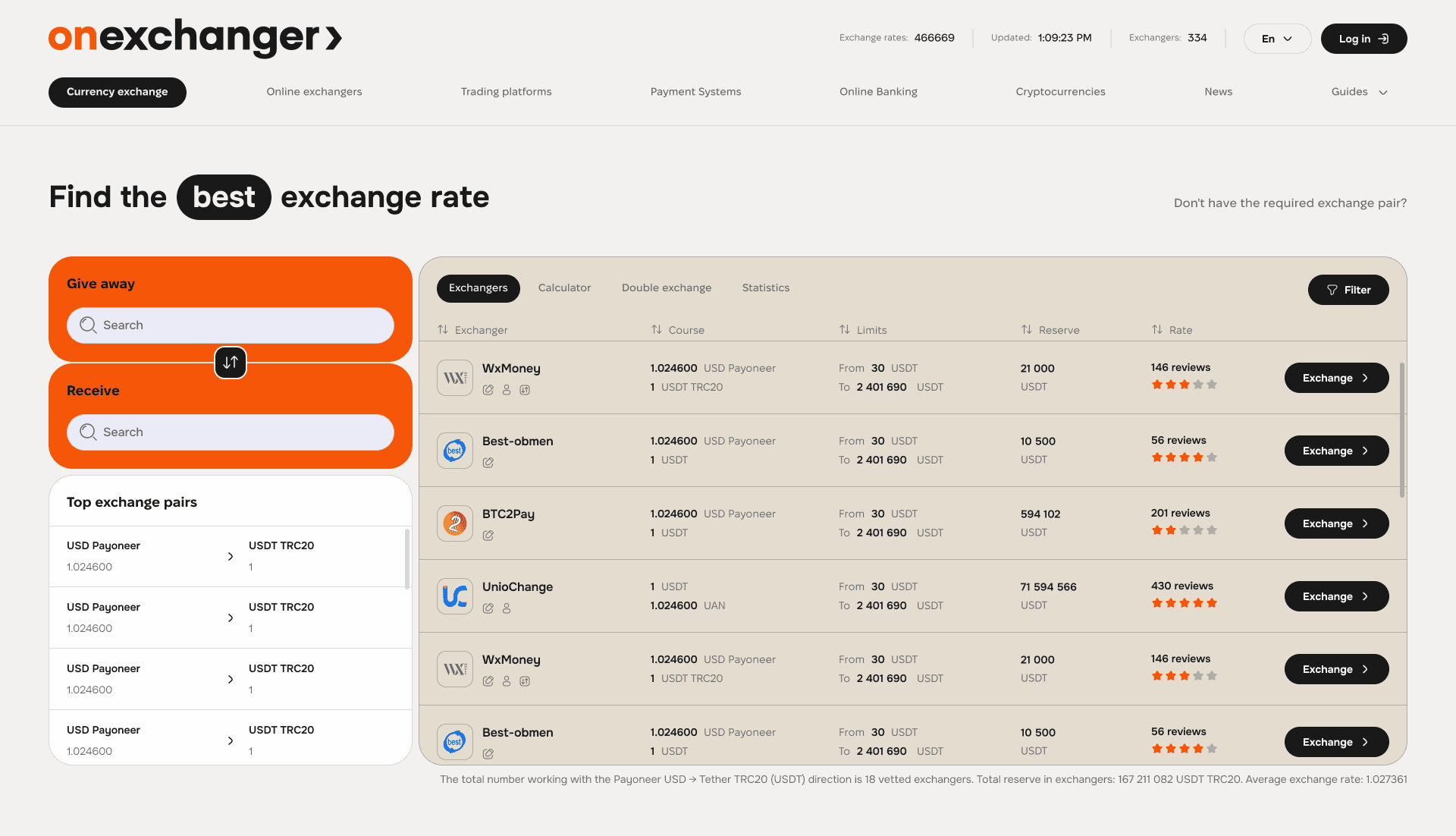
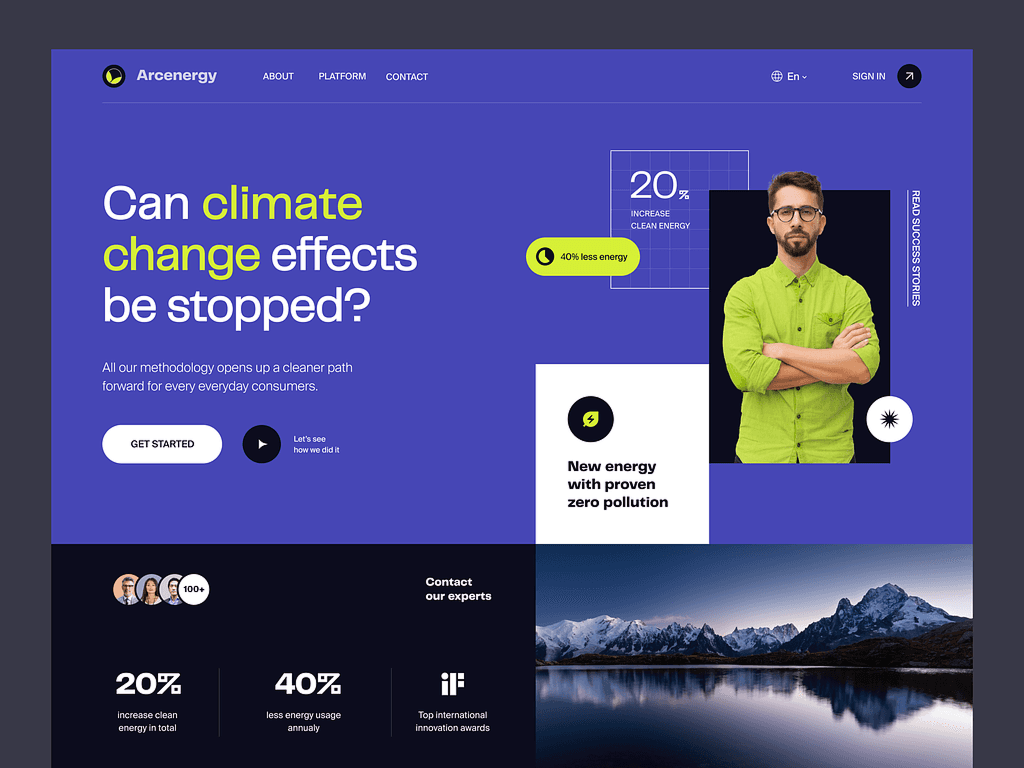
Проєктуємо продукти, які допомагають командам швидше працювати, краще контролювати процеси та приймати рішення на основі даних.